How did my Grand Father meet my Grandmother? There is a family legend.

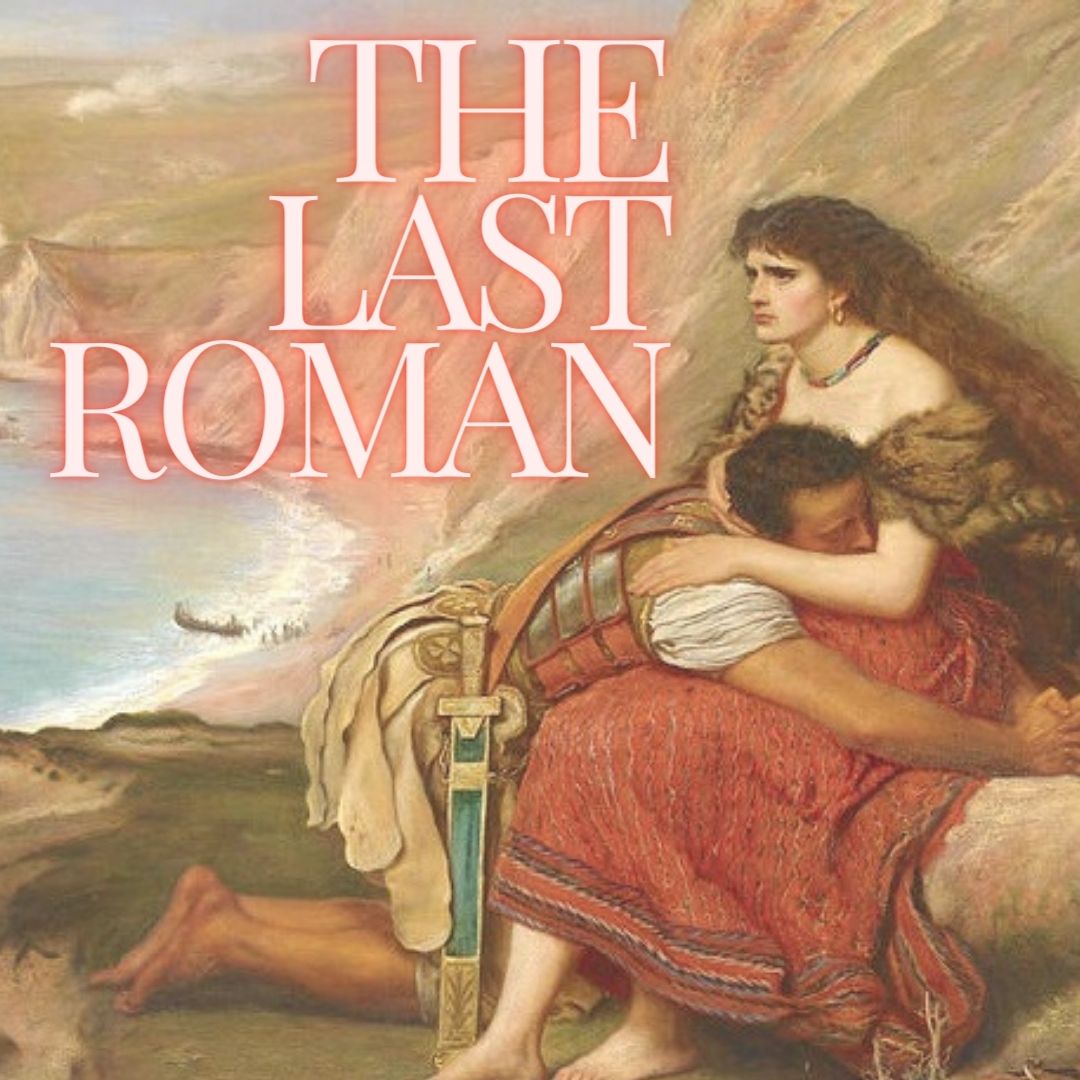
"Thisbe" by John William Waterhouse (1909 oil on canvass)
Grandma Cain was living in a boarding house in Chicago with her sister Aunt Kate. Grandfather was ‘courting’ her and sent Grandma Cain a piano. A piano was quite the gift for its day, even though it was nothing but a small upright. The landlady who ran the place got the wrong idea: “Any woman that would accept a gift like that must be of a questionable nature.” Well, what do you want? It was 1914 at least. The uptight landlady throws both my grandmother and my aunt out onto the street. Aunt Kate picks up a phone and calls grandma’s boyfriend, soon to be Grandpa Cain. She is angry: “What have you done, you dumb mick? Now we are homeless.” Grandpa Cain meets them on the front stairs of the boarding house and has a solution:
“Well, I guess then Mary will have to marry me.”
He then takes them both to live in his Father’s house until the wedding can be arranged.
Is it true?
“As true as the strength of the belief and the nerve it hits,” I say in my best Irish brogue.
Two lovers meet on a bridge called the Ponte Milvio. This bridge attracted lovers in Roman times, documented by Tacitus, visited by Nero to meet nameless lovers. The hero tells a false legend which lovers wrapped a chin around the third lamp post on the bridge’s northern side, locked it, and threw the key into the Tiber. He then tells her that they will never leave each other…on the strength of a lock.
Is it true?
As true as the strength of the belief and the nerve that it hits.
Well, it’s not true. It’s an invention from a novel by Federico Moccia called in English: “I Want You.” Since the publication of the story many locks have appeared on the bridge, locked to posts and chains. Many with the lovers names written on the locks. It has become an issue in city politics. One party wants the locks removed, the other accuses the other party of being ‘anti-love’. What started as a city lore, a ‘Roman’ thing, has now turned into something for the ‘tourist trade’ with locks being sold by road side vendors.

The question is…what is a legend? How much of any legend is true? Are there other stories that grab our imagination?
What of Pyramus and Thisbe? These were two lovers separated by a wall built by their families to keep them apart. One day they agree to meet in a secret hiding place, and Thisbe is frightened away by a lion and drops her cloak. Pyramus arrives and believes that his lover has been eaten takes his own life. Later Thisbe finds her boyfriend in the family crypt and takes her life as well. Both families in one final act have the lovers burned on the same funeral pyre and buried together with their ashes mixed for eternity.
This seems familiar. Where have I heard this before? Think, man…THINK!
Got it!
“For never was a story of more woe. Than this of Juliet and her Romeo. …”
So what about my family legend?
Is it true?
“As true as the strength of the belief and the nerve it hits,” I say in my best Irish brogue.
Rob Cain has traveled extensively through Europe, Italy, and Egypt. He was formerly on active duty with the United States Army. He is a fan of history, and enjoys reading books on the history of Rome. He currently has a podcast presentation on itunes and hipcast. The blog is for the free and open discussion of Ancient Rome based on Mr. Cain's observations noted in his podcast. Most episodes start out with an original dramatic narration written by Mr. Cain. In the podcasts he will include his own unique commentary, and interviews with subject matter experts. Comments are welcome and will be highlighted on the show.
Episode 10, “Nothing New Under the Sun. Get Over it”, features the book, “The Ancient Guide to Modern Life” written by author, comedian, and TV commentator Natalie Haynes.” Whether political, cultural, or social, there are endless parallels between the ancient and modern worlds. Whether it's the murder of Caesar or the political assassination of Thatcher; the narrative arc of the hit HBO series, The Wire, or that of Oedipus; the popular enthusiasm for the Emperor Titus or President Obama – over and over again we can be seen to be living very much like people did 2,000 or more years ago. It's time for us to re-examine the past. Our lives are infinitely richer if we take the time to look at what the Greeks and Romans have given us in politics and law, religion and philosophy and education, and to learn how people really lived in Athens, Rome, Sparta and Alexandria.
This is a book with a serious point to make but the author isn't just a classicist but a comedian and broadcaster who has made television and radio documentaries about humor, education and Dorothy Parker. This is a book for us all, not for an elite.

Comments from the Senate